There’s no one-size-fits-all formula for building a successful marketing campaign. You can invest time, effort, and budget — yet still fall short of the results you expected. That kind of outcome can be both disappointing and costly.
We’ve seen many businesses struggle with this exact challenge. That’s why we created this guide. In this article, we’ll break down how Google Ads audiences work and share practical best practices to help you better understand and target the right audience for stronger campaign performance.
Understanding the Google Ads Platform
Since we’ll be discussing Google Ads Audiences in detail, it’s important to first understand the foundation — the Google Ads platform itself.
Google Ads is a powerful advertising system that allows businesses to promote their products and services across Google’s network, including Search, Display, and YouTube. If you’re new to the platform, spending time exploring its features and interface can give you valuable hands-on insight into how campaigns are structured and optimized.
Inside the platform, you’ll find a wide range of tools and data that help you analyze performance, discover keywords, define audience segments, and experiment with different targeting strategies. From identifying high-intent users to testing new campaign approaches, Google Ads provides the resources needed to refine your audience and improve overall campaign results.
Understanding the Different Types of Google Ads Audience Segments
When building your Google Ads Audience, it’s important to know that not all audience segments serve the same purpose. The Google Ads platform offers several targeting options, but three of the most powerful are affinity segments, in-market segments, and custom segments.
By combining these strategically, you can reach both users who are just discovering solutions and those who are ready to make a purchase.
Affinity Segments: Reaching Interest-Based Audiences
Affinity audiences focus on users’ long-term interests, lifestyles, and habits rather than immediate buying behavior.
This type of Google Ads Audience works best when:
- You are launching a new brand
- You want to build awareness
- You are targeting top-of-funnel users
Because affinity targeting is interest-driven, it helps introduce your brand to people who align with your industry — even if they’re not actively shopping yet.
In-Market Segments: Targeting High-Intent Users
In-market audiences move further down the funnel. These users are actively researching products or services and show clear signals of purchase intent.
Google identifies them based on:
- Recent searches
- Comparison behavior
- Transactional activity
This Google Ads Audience type is ideal when you already understand your ideal customer and want to focus on generating leads or sales.
Custom Segments: Precision-Based Targeting
Custom segments allow you to define your audience based on specific keywords, URLs, and browsing behavior.
This option gives you greater control and is especially effective once you’ve gathered performance data from previous campaigns.
For example, if you run a home improvement business and want to promote kitchen repair services specifically, you can:
- Add keywords related to kitchen renovation or repair
- Include competitor or industry-related URLs
- Target users who have searched for similar services
Custom segments allow you to narrow your Google Ads Audience to highly relevant users, improving both engagement and conversion rates.
By understanding and applying these three audience types correctly, you can build a more focused strategy that reaches the right users at every stage of the buying journey.
Creating and Structuring Your Google Ads Audience
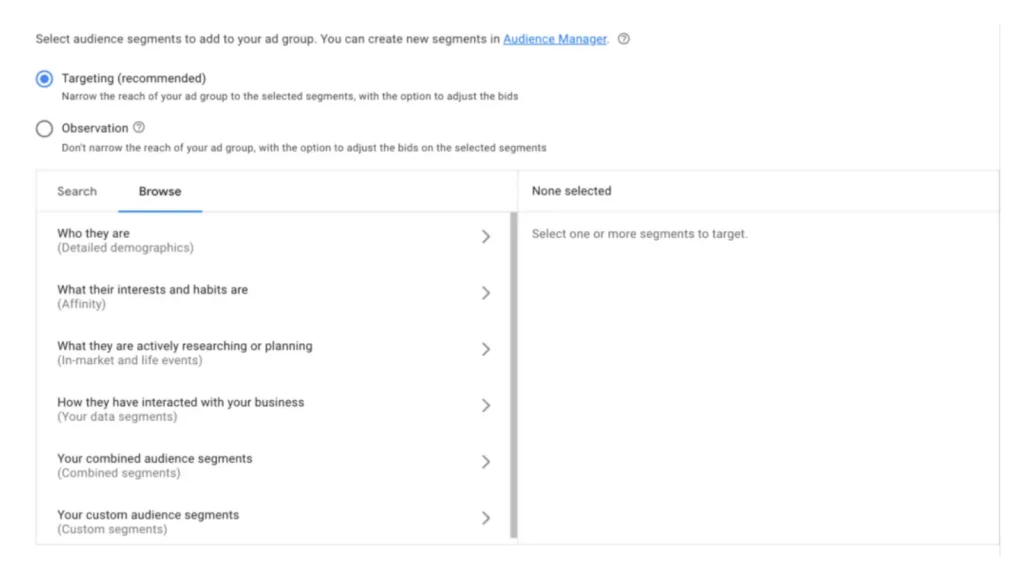
When setting up your Google Ads Audience, one of the first decisions you’ll need to make inside the Google Ads platform is whether to use Observation or Targeting mode.
This choice determines how your selected audience segments will influence your campaign performance.
Observation Mode
With Observation, the Google Ads system collects data on how selected audience segments perform without restricting your campaign’s overall reach. Your ads can still appear to a broad audience, but you gain insights into how specific groups engage, click, and convert.
In simple terms, Google monitors performance and provides reporting that helps you refine your targeting decisions later.
Observation mode is especially useful when:
- Testing new audience segments
- Launching new campaigns
- Running Search or Display campaigns
- Gathering performance data before narrowing your reach
Targeting Mode
Targeting, on the other hand, gives you direct control over who sees your ads. Your campaign will only show ads to the audience segments you select.
This approach works best when:
- You clearly understand your ideal customer
- You are running remarketing campaigns
- You are focusing on high-intent users
- You want to capture users deeper in the buying journey
Targeting is more restrictive but highly effective once you have reliable data.
After choosing between Observation and Targeting, the next step in building your Google Ads Audience is refining demographics.
You can filter by:
- Age
- Gender
- Location
- Household income
Just as important are audience exclusions. Excluding users who are unlikely to convert helps prevent wasted budget and improves campaign efficiency — similar to best practices in social media advertising.
For deeper insights, link your Google Ads account with Google Analytics 4.
This integration allows you to:
- Track user behavior after ad clicks
- Monitor conversions and events
- Analyze engagement patterns
- Build stronger remarketing audiences
When both platforms work together, you gain a complete view of your customer journey — from first click to final conversion.
Defining Your Ideal Target Audience
Now that you understand the technical steps for setting up your audience, the next step is determining exactly who you should be targeting — and how to gain deeper insights into their behaviors, needs, and intent.
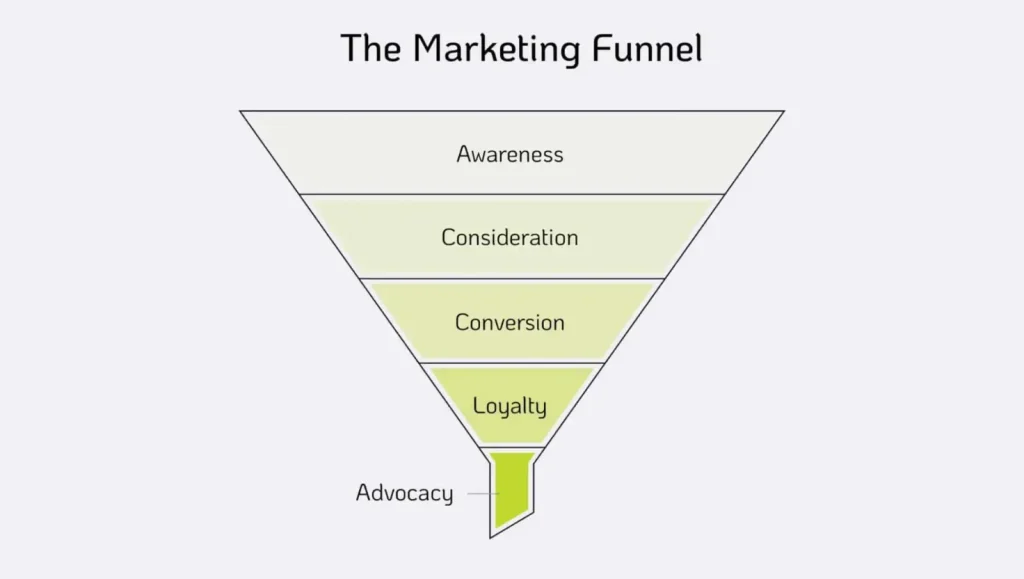
Understand the Stages of the Buyer Journey
Although the buyer journey includes five phases, we’ll concentrate on three key ones: awareness, consideration, and decision. If your budget permits, it’s best to create separate campaigns tailored to each stage.
Awareness Stage: At this point, users are exploring options and researching general information to address a problem. They are not ready to purchase yet — they’re simply learning. Searches tend to be broad, such as “best running sneakers” or “new garage door ideas.”
Consideration Stage: Here, users begin narrowing their choices and comparing solutions. They move from general research to evaluating specific options. Searches become more detailed, like “best shoe stores near me” or “garage door installation services.”
Decision Stage: In this final phase, users are prepared to buy. They’ve completed their research and are searching with clear intent. Queries are highly specific, such as “HOKA marathon running shoes” or “real wood overhead garage doors price.”
Your objective is to reach potential customers at every stage by aligning your keywords and messaging with their intent at each step of the journey.
Understand Your Audience’s Intent
At every phase of the buyer journey, users have different motivations and goals. Identifying these intentions allows you to craft targeted ads that directly address what they’re looking for and increase the chances of engagement and conversion.
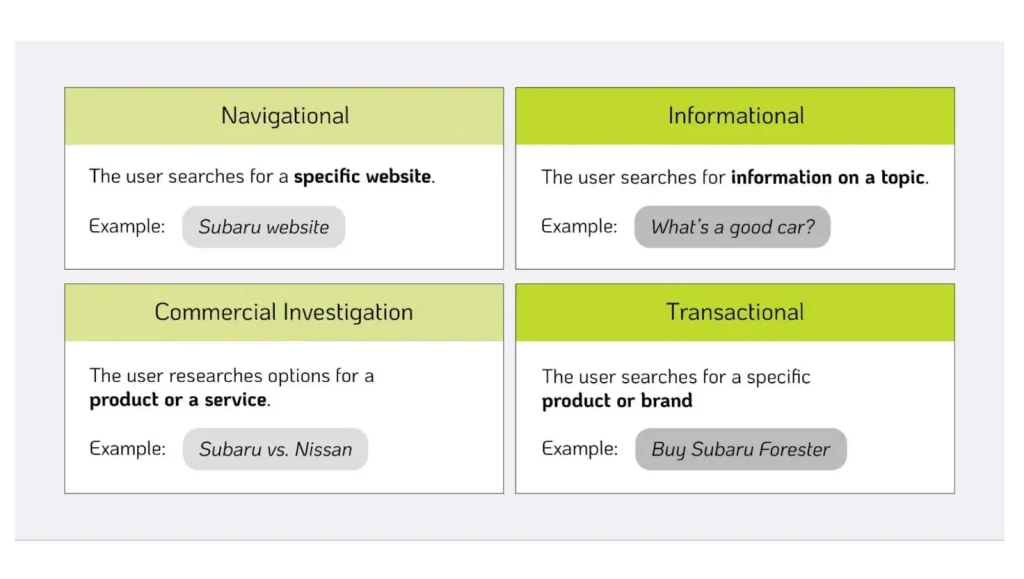
There are four primary categories of intent-based keywords: informational, navigational, commercial, and transactional. Understanding how each type functions helps you build audience segments that align with different stages of the buyer journey.
As a simple guideline, informational keywords typically reach users in the awareness stage, navigational and commercial keywords connect with those in the consideration stage, and transactional keywords target users ready to make a decision.
While it’s possible to combine multiple keyword types in one campaign to reach several stages at once, the messaging must remain broad. For better personalization and stronger results, it’s more effective to dedicate each campaign to a single stage with tailored keywords, targeting, and ad copy.
Tips for Gaining a Deeper Understanding of Your Audience
Identifying your ideal audience and building ads for specific segments isn’t always simple. However, with the right approach, you can better understand who you’re targeting and deliver content they genuinely connect with.
Do Your Research
Start by maximizing the tools already available to you. Inside Google Analytics 4, review engagement data to understand how visitors interact with your website. Identify pages that drive strong traffic and conversions, then reinforce that success with dedicated Google Ads campaigns.
You can also gather valuable insights internally:
- Is your sales team seeing higher demand for a particular product or service?
- Are there marketing campaigns that could be amplified with paid ads?
- Do you have blog content that can be promoted?
- What key objectives has leadership set for this year?
Collaborating across departments helps you build a more strategic and aligned marketing plan.
Don’t forget to review competitor activity. Analyze their messaging, landing pages, and offers — then refine your unique value proposition to stand out and capture attention.
Create a Target Persona
Develop detailed buyer personas for each stage of the funnel. Define the traits, challenges, and motivations of users in the awareness, consideration, and decision stages. How should your messaging shift as users move closer to purchasing?
Clear personas make it easier to craft relevant ad copy and identify the search terms your audience is actually using.
Many businesses focus too heavily on brand tone instead of prioritizing what users are searching for on Google.
Conduct A/B Testing
Experiment with variations in demographics, intent-based keywords, and audience segments to see what resonates most. Testing provides insight into what drives engagement and conversions.
When running experiments, adjust only one variable at a time. This ensures you can accurately measure whether a specific change improved performance.
Identify the Most Effective Keywords
Intent-based keywords are not only important for SEO and content marketing — they are equally powerful in Google Ads, especially when building custom audiences.
By grouping informational, commercial, and transactional keywords strategically, you can target users at different stages of their journey.
For keyword discovery, tools like SEMrush — particularly its Keyword Magic Tool — can help uncover high-value search terms for your campaigns.
Additional Tools
Here are a few more resources that can strengthen your Google Ads audience strategy:
Organic Insights in SEMrush
This feature provides data on keywords, landing pages, traffic, and conversions. It also reveals competitor rankings and advertising strategies, helping you align SEO and paid campaigns effectively.
Google Trends
Use this tool to monitor trending topics and keyword popularity over time. It’s especially helpful for planning around seasonal demand shifts.
Microsoft Clarity
Clarity offers heatmaps and session recordings that show how users navigate your site. It can highlight which calls-to-action and page elements perform best — insights you can apply directly to your ads.


